Your child may start playing make-believe with their toys and imitating you. They can probably walk on
tiptoes and jump with both feet. And they can use their fingers to pick up and hold smaller toys or to play
with puzzles.
|
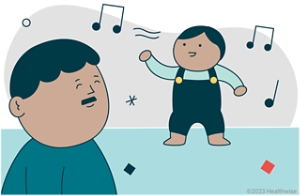
Your child's language skills are growing at this age. Your child may enjoy songs or rhyming words. |
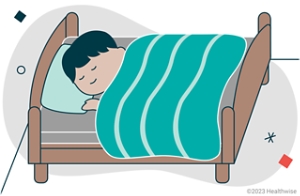
Make sure that your child gets enough sleep. If they are climbing out of a crib, change to a toddler |

Keeping your child safe
-
Always use a car seat. Install it in the back seat.
-
Don't leave your child alone around water, including pools, hot tubs, and bathtubs.
-
Know which foods cause choking, like grapes and hot dogs.
-
Watch your child around cars, play equipment, and stairs.
-
Keep hot items out of your child's reach to avoid burns.
-
Save the number for Poison Control (1-800-222-1222).
Making your home safe
-
Cover electrical outlets, and put locks or guards on windows.
-
Check smoke detectors once a month.
-
If your home was built before 1978, it may have lead paint. Tell your doctor.
-
Keep guns away from children. If you have guns, lock them up unloaded. Lock ammunition away from guns.
Parenting your child
-
Use body language, such as looking happy or sad, to let your child know how you feel about their behavior.
-
Help your child feel a sense of control by giving them choices when you can.
-
Try to ignore whining and other behavior that isn't harmful.
-
Limit screen time to 1 hour or less a day.

Potty training your child
-
Get your child their own little potty or a child-sized toilet seat that fits over a regular toilet.
-
Praise your child when they use the potty. Support them when they have an accident.
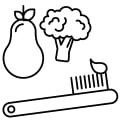
Practicing healthy habits
-
Give your child healthy foods, including fruits and vegetables.
-
Offer water when your child is thirsty. Avoid juice and soda pop.
-
Help your child brush their teeth every day using a tiny amount of toothpaste with fluoride.
-
Make sure your child wears a helmet if they ride a tricycle.
-
Do not let anyone smoke around your child.

Getting vaccines
-
Make sure your child gets all the recommended vaccines.
Follow-up care is a key part of your child's treatment and safety. Be sure to make and go to all
appointments, and call your doctor if your child is having problems. It's also a good idea to know your
child's test results and keep a list of the medicines your child takes.
Current as of: October 24, 2023
Content Version: 14.0
Care instructions adapted under license by your
healthcare professional. If you have questions about a medical condition or this instruction, always ask
your healthcare professional. Healthwise, Incorporated disclaims any warranty or liability for your use of
this information.
Featured in

Related Articles
Moving Your Toddler From Crib to Bed
Moving your child from the crib to a first bed is a milestone event. But more than the bittersweet emotional concerns, your priorities will be safety and a healthy sleep routine.
Making Your Home Safe for Children
You want your home to be a safe haven for your kids. Yet thousands of children are hurt or killed in home incidents. With a little care, many incidents can be prevented. This sheet gives you tips on keeping all areas of your home safe for children.
Treating Bedwetting
Most kids outgrow bedwetting over time. But your child's doctor may suggest ways to speed up the process. This includes the ideas outlined on this sheet.
Time-Out
Time-out is a type of discipline that is used to stop bad behavior in a child. It takes the child out of the situation and gives them time to calm down.