The human body is composed largely of water. If you lose more fluids than you take in, you can become dehydrated. This means that there's not enough fluid in your body for it to function as it should. Mild dehydration can cause thirst, fatigue, weakness, confusion, and muscle cramps. In severe cases, it can lead to kidney damage, brain damage, and even death. That's why getting treatment right away is crucial.
Risk factors
Anyone can become dehydrated. But babies, children, and older adults are at the greatest risk. Older adults who must stay in one place are at especially high risk. They are unable to get up to get something to drink. It can be a bigger problem if they can't communicate.
You are most likely to lose fluids with severe vomiting, diarrhea, or a fever. Exercising or working hard—especially in hot weather—can also cause extra fluid loss. Using certain medicines, such as water pills (diuretics) that make you pee more, can also raise your risk. The risk can be higher in the hot summer months.
What to do
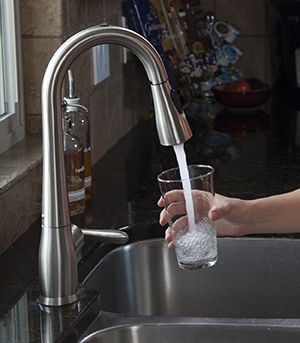
Drinking liquids is the best way to prevent dehydration. Water is best. But juice or flavored ice pops can also help. For adults, don't drink liquids that contain caffeine or alcohol to rehydrate. These drinks will cause you to pee more. This raises your risk for more fluid loss. Your doctor may suggest drinking electrolyte solutions. These put back electrolytes that may be lost along with the fluid.
When to go to the emergency room (ER)
Go to an ER right away for these symptoms:
Adults
-
Very dark urine and little or no urine output
-
Dizziness, weakness, confusion, or fainting
Children
-
Sunken eyes
-
For babies, sunken soft spot (fontanelle) on the head
-
Little or no urine output. For babies, no wet diaper in 8 hours.
-
Very dark urine
-
Skin that doesn't bounce back quickly when pinched
-
Crying without tears
-
Lethargy, decreased activity, or increased sleepiness
What to expect in the ER
Your blood pressure, temperature, and heart rate will be checked. You may have blood or urine tests done. The main treatment for dehydration is fluids. You may be given these to drink. Or you may get them through a vein in your arm. You also may be treated for diarrhea, vomiting, or a high fever.

Related Articles
Hyphema
Hyphema is bleeding in the front part of the eye. This most often happens after a direct blow to the eye. It may cause blurred or dim vision, and pain from increased pressure in the eye. Read on to learn how to care for this injury at home.
Nasal Contusion
Nasal contusion may cause pain, swelling, and a stuffy nose. It may also cause bleeding. Here's how to care for yourself at home.
Animal Bites and Scratches
Most bites and scratches from household pets are nothing to worry about. But some bites or scratches can be serious. Others may become infected or pose the risk of rabies. So it's best to talk with your health care provider or get medical care.
Frostbite
Frostbite is a freezing injury to the body's tissues caused by prolonged exposure to cold. It can cause permanent damage to the tissue.