Swelling is common after total knee replacement. It may be worse after exercise. To help control swelling, follow the steps below.
Ice your knee
Wrap an ice pack or bag of frozen peas in a thin cloth, then place it on your knee. Don't use ice for more than
Elevate your leg
Elevate your leg above your heart. Ask your doctor about safe positions to do this.
Do ankle pumps
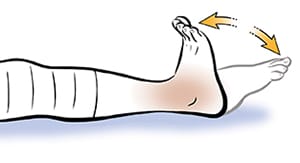
Continue doing ankle pumps. They help reduce swelling, improve circulation, and prevent blood clots. Point, then flex both feet slowly. Repeat this
Compression stocking
Your surgeon may recommend wearing a compression stocking. This will help control swelling. It may also help prevent blood clots. If it is difficult for you to put on a compression stocking, an elastic bandage like an ACE wrap bandage can be used instead. Use a wide bandage, such as one that is 6 or 8 inches wide, to make it easier to wrap your leg.


Related Articles
After Hip Surgery: Mastering Daily Tasks
Read this for some tips about how to safely do your daily tasks after hip replacement surgery.
After Knee Replacement: Back at Home
You and your care team will evaluate how well you can care for yourself at home. You may need friends, family, or a home health aide to help with chores and errands.
After Hip Replacement: When to Call Your Surgeon
It's important to know what symptoms are red flags after hip replacement.
Osteoarthritis: Coping with Pain
There are many ways to control your pain. You’re making a good start by learning about osteoarthritis and its treatments. Knowing more about this condition helps you work with your healthcare provider to find answers to problems. Keeping a positive outlook can help you manage pain from day to day. And making time each day to relax and enjoy yourself may help you control osteoarthritis pain, instead of letting it control you.