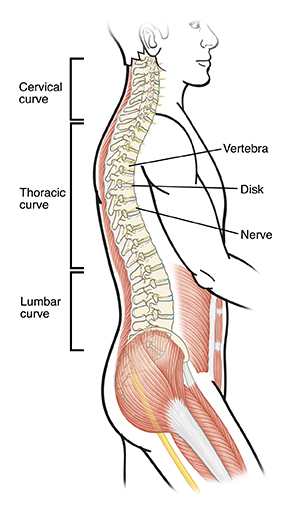
An unhealthy spine often starts with bad habits. Poor movement patterns and posture problems are common causes of back pain. Disk, bone, nerve, and soft tissue problems can all be affected by poor posture. They can lead to pain, stiffness, and other symptoms.
Poor posture backfires
Poor posture can cause pain. Too much slouching puts increased pressure on the disks. An excessive lumbar curve can overload and inflame the vertebrae. As a result, the back muscles may tighten or spasm to “splint” and protect the spine. This adds to the pain you feel.
Correct posture: The key to safe movement
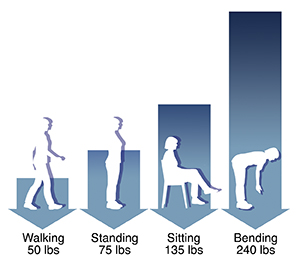
Your spine bears your weight throughout the day. This is true whether you’re sleeping, standing, or bending. Certain positions strain your spine more than others. But by maintaining correct posture in all positions, you can reduce the stress on your spine.
To improve your standing posture, follow these steps:
|
|


Related Articles
Plaster Splint Care
Here are directions to care for your splint at home.
Back Safety: Sleeping Positions
When you sleep, keep your ears, shoulders, and hips in line.
Hip Safety: Getting Into and Out of Bed
After hip replacement surgery, getting in and out of bed can be difficult. These instructions can help.
Wearing a Rib Belt
A rib belt is an elastic strap that may help reduce pain from chest muscle strain or rib fracture.