The first trimester is a time of rapid development for your baby. Because your baby is growing so quickly, it is important that you start a healthy lifestyle right away. By the end of the first trimester, your baby has formed all of its major body organs and weighs just over an ounce.
Month 1 (weeks 1 to 4)
The placenta (the organ that nourishes your baby) begins to form. The brain, spinal cord, heart, gastrointestinal tract, and lungs begin to develop. Your baby is about ¼ inch long by the end of the first month.
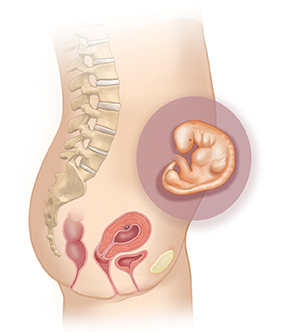
Month 2 (weeks 5 to 8)
All of your baby’s major body organs form. The face, fingers, toes, ears, and eyes appear. By the end of the month, your baby is about 1 inch long.
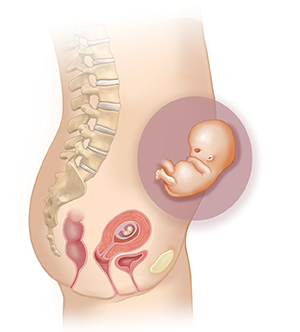
Month 3 (weeks 9 to 12)
Your baby can open and close its fists and mouth. The sexual organs begin to form. As the first trimester ends, your baby is about 3 inches long.

Related Articles
Hyperemesis Gravidarum
Hyperemesis gravidarum is a severe form of morning sickness that can affect some women during pregnancy. Symptoms include severe nausea and vomiting.
Polyhydramnios
Having too much amniotic fluid in your uterus during pregnancy is called polyhydramnios. Learn why this happens and how to manage it.
Warning Signs During Pregnancy
Call your healthcare provider right away if you have bleeding from the vagina, blurry vision, severe headaches, or other specific symptoms.
Pregnancy and Childbirth: Fetal Growth Restriction
With fetal growth restriction, the growing baby (fetus) is smaller than normal. This means the baby is not growing at a normal rate. Read on to learn about causes, diagnosis, and treatment.