Amlodipine (am-LO-di-peen) is a calcium channel blocker. It helps relax your blood vessels and get more blood and oxygen to your heart. Relaxing the blood vessels also helps lower your blood pressure and relieve any chest pain you may have.
Medicine tips
-
Read the fact sheet that comes with your medicine. It tells you when and how to take it. Ask for a sheet if you don’t get one.
-
Take your medicine at the same time each day. If it upsets your stomach, take it with food or milk.
-
If you miss a dose, take it as soon as you remember, unless it's been 12 hours or more since the missed dose. If so, skip the missed dose and go back to your normal scheduled time. Don't take a double dose.
-
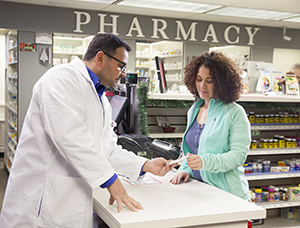
Call your health care provider or pharmacist if you have any questions about taking your medicine.
-
Take your medicine even if you feel well. Most people with high blood pressure don’t feel sick.
For your safety
-
Ask your health care provider or pharmacist if there are any foods or medicines you should avoid.
-
To prevent dizziness, get up slowly after you sit or lie down.
-
Don't stop taking your medicine unless your provider tells you to. Stopping can make your condition worse. When you stop this medicine, the dose may need to be slowly decreased.
-
Tell your provider or pharmacist before taking any other prescription or over-the-counter medicines. This includes vitamin or mineral supplements and herbal remedies.
-
Talk with your provider or pharmacist about whether drinking alcohol is safe while taking amlodipine.
-
Be sure to refill your prescription before you run out.
-
Don't share your medicine with anyone. Make sure your medicines are stored in a place that children and pets can't reach.
-
Ask your health care provider how often you should have your blood pressure checked.
When to seek medical advice
Contact your health care provider right away if:
-
You notice swelling in your ankles or feet, or your skin flushes.
-
You have a headache or nausea.
-
You feel tired or weak.
-
You have a skin rash or itching.
Call 911
Call 911 or get immediate medical care at the nearest emergency room if you have:
-
Severe dizziness or fainting.
-
Unusual chest pain.
-
Trouble breathing.


Related Articles
Starting a Cardiac Rehab Program
A cardiac rehab program is a stepped approach to help you recover after heart surgery.
Medicines for Heart Valve Problems
If you are having symptoms, certain medications can ease them. Other medications help prevent problems that may occur due to valve disease. Your doctor can discuss what medications might be right for you. Here are some types of medications that may be prescribed and what they do.
Heart Disease Worksheet
It's important to get regular checkups and periodic exams, especially when you have cardiovascular disease.
Pacemakers
A pacemaker is a small electronic device that helps your heart's electrical system beat at the right pace. Inserting the pacemaker into your body is called implantation. You stay awake during the procedure.