Most flashes and floaters need no treatment. But sometimes, they can be signs of a serious eye problem. Talk with your eye care provider right away if you see any new flashes or floaters.
When do flashes need treatment?
Flashes that appear all of a sudden or greatly increase in number may be a sign of a problem. They may be caused by the vitreous pulling on the retina. A retinal tear needs urgent treatment. It can cause the retina to detach from the back of your eye. Rapid vision loss can result. Your eye care provider can find the cause of flashes and decide if treatment is needed.
When do floaters need treatment?
A sudden increase in the number of floaters you see may be a sign of a tear in the retina or of some other eye problem. Over time, a tear can cause the retina to detach from the back of the eye. Your eye care provider can find out what is causing the floaters and advise a treatment plan, if needed.
Warning signs
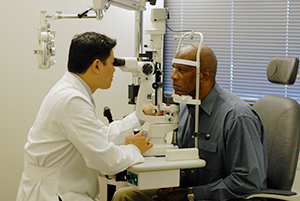
If you have a sudden increase in floaters or flashes, or if part of your vision is missing, visit your eye care provider as soon as possible. These may be symptoms of a retinal tear or detachment, which can cause long-term (permanent) loss of vision. You will need a complete, dilated eye exam to find the problem.

Related Articles
Ultraviolet Keratitis
Ultraviolet keratitis is when exposure to too much UV (ultraviolet) light hurts your cornea. This causes pain and affects your vision.
Treating Blepharitis: Medicine and Follow-Up
Your eye doctor may prescribe eye drops or an ointment. These will help ease redness, swelling, and irritation. Your eye doctor will also need to check your eyes following treatment.
Laser Photocoagulation for Age-Related Macular Degeneration (AMD)
Laser photocoagulation is a type of laser surgery used to treat age-related macular degeneration (AMD). AMD is a condition that can lead to vision loss.
Understanding Laser Photocoagulation for Age-Related Macular Degeneration (AMD)
Laser photocoagulation uses a laser to seal off abnormal blood vessels in your eye. Laser photocoagulation can't restore eyesight that you already have lost. But it may slow down the damage to your central vision.