Losing control over your body can not only be frustrating, but it can also trigger many emotions, such as sadness, anger, or depression. You may not feel like or be able to do activities you used to. You may even feel embarrassed and stop seeing friends. These feelings are normal. It's important to accept and work through those feelings in a positive way. Staying active and involved can help. Friends, family, and community groups can also offer support.
Stay involved with others
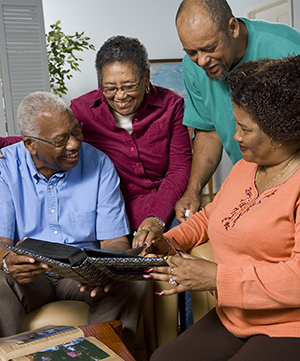
You may not always feel like being social. But it’s important to stay engaged with others. Family and friends can keep you company, offer advice, or simply make you laugh. Community and faith-based organizations can also offer ways to stay involved. Joining a Parkinson support group is another option. This lets you share thoughts and feelings with others who are going through the same things as you. Meeting with others who have the same condition can also help you find out about other ways to cope.
If you feel depressed
It’s normal to have days when you feel down. Not being able to do all the things you used to do can be discouraging. Often, these feelings come and go over time. Parkinson disease may also cause changes in the brain that lead to depression. So if you find yourself feeling hopeless, tired, or sad most of the time, talk with your healthcare provider. These feelings may be signs of depression, which can be treated with medicines and therapy. If you feel suicidal, seek medical care right away.
Call 988
If you are in a crisis or have thoughts of suicide or self-harm, call or text 988 right away. This is the 988 Suicide & Crisis Lifeline. You will be connected to a trained counselor you can talk to. You can also chat with them at 988lifeline.org/chat. The 988 Lifeline services are free and available 24/7.

Related Articles
How Seizures Affect the Body
The brain is your body's control center. It manages everything from movement and balance to emotions and memory. When a seizure happens, some or all brain functions are temporarily affected.
Behavior Changes After Brain Injury
After a brain injury, a person may behave in new or different ways and may have personality changes. Here are things to expect and how you might help.
Spinal Cord Injury (SCI): Adjusting After Discharge
Transitioning back into your daily life after a spinal cord injury can be challenging. These tips can help.
Partial Seizures: Staying Healthy
With a little bit of planning, most people with partial seizures are able to lead active, fulfilling lives. You can, too. These tips can help you stay as healthy as possible and head off seizures before they happen.